Photography Showing Checklist Graphics for Digital Sellers
As a digital product creator who has spent years navigating the complexities of online marketplaces, I know that the difference between a listing that gathers dust and one that generates sales often comes down to the quality of the underlying graphic design asset. Recently, I evaluated a specific resource titled Photography Showing Checklist with the intent of incorporating it into my own commercial product line. My goal was to determine if this asset could serve as a versatile component for real estate branding, printable planners, or even sublimation merchandise.
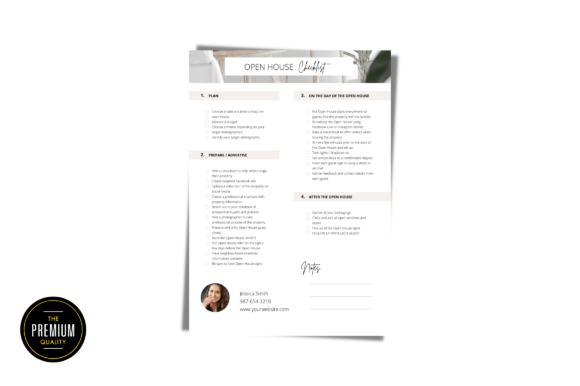
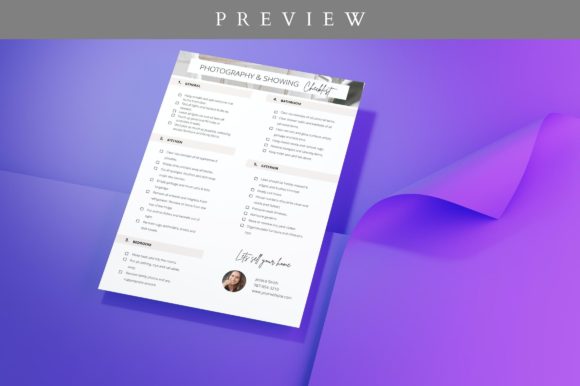
The first impression of the Photography Showing Checklist is one of professional utility. Unlike many trendy designs that prioritize flash over function, this template feels grounded in the needs of real estate professionals. It carries a visual personality that is clean, organized, and trustworthy. For sellers targeting the real estate niche, this asset offers an immediate sense of authority. It is not overly playful or decorative; instead, it strikes a balance that appeals to agents who want to project competence. The layout suggests a modern, minimal aesthetic that fits seamlessly into premium brand identities without looking cluttered or cheap.
In the context of building a shop on platforms like Etsy, Creative Fabrica, or Shopify, the ability to offer tools that save time is a massive selling point. This template allows you to create products that help clients streamline their workflow. By integrating this design, you are essentially offering a solution that says, "I understand your business." It transforms from a simple image into a functional tool that can be sold as a digital download, a printable file, or a base for physical merchandise.
Integrating the Asset into Diverse Product Lines
One of the most critical steps in evaluating any Graphics package is determining its versatility across different product categories. A single design should ideally support multiple revenue streams. Here is how I see the Photography Showing Checklist performing in various creative scenarios:
- Printable Wall Art and Planners: Real estate agents often need wall charts for their offices. This checklist works perfectly as a framed printable or a page within a larger digital planner bundle. You can sell it as a standalone printable design or combine it with other marketing materials.
- Mug and Tumbler Designs: For print-on-demand sellers, this design is ideal for sublimation projects. A coffee mug featuring a checklist reminds agents of their daily tasks while they brew their morning coffee. It adds a touch of humor and utility to kitchenware.
- T-Shirt and Apparel Graphics: The text-heavy nature of a checklist makes it suitable for t-shirt designs, provided the typography remains legible at scale. It appeals to the "agent life" demographic who appreciate practical apparel.
- Social Media Templates: Many agents struggle with content creation. You can repurpose this asset into Instagram story templates or blog graphics using tools like Canva. This positions you as a partner in their marketing efforts rather than just a vendor.
- SVG Design Files: If the asset includes vector formats, it becomes a goldmine for Cricut users. They can cut vinyl decals for laptops, water bottles, or car windows. However, this requires careful inspection of the cut lines.
- Greeting Cards and Invitations: While less traditional, a checklist could be adapted for "New Listing" announcements or open house invitations, adding a unique structural element to standard stationery.
Testing Before Publishing: A Practical Approach
Before hitting the publish button on any new collection, I always run the design through a rigorous testing phase. This ensures that the final product meets high standards and avoids customer complaints. When reviewing the Photography Showing Checklist, several key factors must be addressed.
First, visualize the asset in a product mockup. Does it look good on a dark background? Does it maintain its integrity when placed on a white surface? Contrast is crucial for visibility. If the design relies on subtle shading, it may get lost in low-resolution thumbnails. Test the design as a marketplace thumbnail to ensure it catches the eye even when scaled down to a small square.
Second, verify the technical specifications. If you are selling SVG files, inspect the cut quality closely. Are there unnecessary anchor points? Do the lines connect properly for machines like Silhouette or Cricut? If selling PNGs, confirm that the transparency is clean and the resolution is sufficient for large-format printing. A blurry checklist will destroy the perceived value of your commercial design.
Third, consider the font pairing. The visual hierarchy of the checklist matters. Ensure that the title stands out against the list items. Experimenting with serif fonts for headers and sans-serif fonts for the body text can elevate the design from generic to bespoke. You might also try overlaying a script font for a "handwritten" feel if the brand identity calls for it.
Niche Appeal and Brand Consistency
The primary strength of this asset lies in its specific niche application. Real estate is a highly competitive field where agents are constantly looking for ways to differentiate themselves. By offering a Photography Showing Checklist Template, you are tapping into a desire for organization and professionalism. The original concept emphasizes saving time and building confidence with clients, which are powerful emotional hooks for your target audience.
When curating a design bundle, consistency is key. If your shop already features real estate marketing tools, this checklist fits naturally into the ecosystem. It reinforces your brand identity as a source of high-quality design assets for professionals. Conversely, if your shop is generalist, this item serves as a strong entry point into the real estate vertical, potentially attracting a new segment of buyers.
It is important to note where this asset should be used carefully. Tiny sticker details might become illegible if the design is too complex. Avoid placing it on crowded backgrounds or within layouts where the text competes with other heavy elements. If the design includes fine lines, it may not be suitable for all sublimation processes or low-quality printers. Always test print a sample before mass-producing physical goods.
Licensing and Commercial Viability
Finally, no review of a digital product is complete without addressing licensing. Before reselling this asset, you must confirm the terms of the commercial license. Some licenses allow you to sell the design as part of a finished product (like a printed notebook) but prohibit selling the raw file itself. Others may restrict the number of units you can sell. Understanding these boundaries protects your business from legal issues.
Organize your files clearly for customers. Include instructions on how to use the design, whether it is for personal editing in Canva or direct printing. Clear documentation enhances the customer experience and reduces support tickets. Pair the checklist with complementary elements, such as matching icons or color palettes, to increase the perceived value of your offering.
In conclusion, the Photography Showing Checklist represents a solid opportunity for creators looking to expand their inventory with practical, niche-specific tools. Its clean aesthetic and functional focus make it adaptable for everything from planner stickers to brand identity packages. By rigorously testing the design, verifying technical details, and understanding the needs of real estate professionals, you can turn this graphic into a profitable addition to your online store. Remember, the best products solve problems, and for busy agents, a clear checklist is exactly what they need to succeed.