New Listing Templates for Realtors: Premium Graphics for Digital Sellers
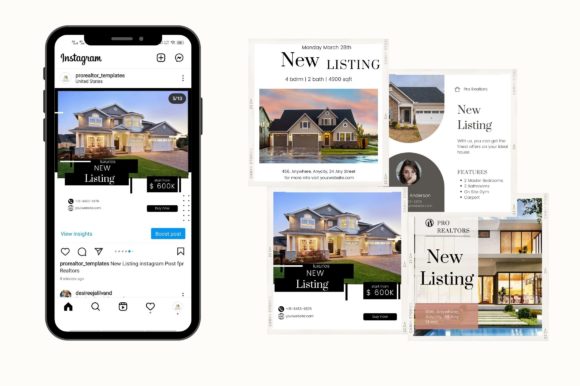
When I first opened the file for New Listing Templates for Realtors, my immediate thought was about the visual hierarchy required in a crowded marketplace. As someone who spends hours curating collections for Etsy, Creative Fabrica, and Shopify, I look for assets that offer versatility without sacrificing brand identity. This specific set of graphic templates targets the real estate niche with a clean, professional aesthetic that feels both modern and trustworthy. It is not merely a collection of images; it is a strategic tool designed to help real estate agents look more professional on Instagram and other social platforms.
The mood of these designs leans heavily toward the premium and commercial side of the spectrum. They avoid being overly playful or cluttered, which makes them highly suitable for high-ticket digital products. For a seller preparing a new product line, this asset offers a sophisticated entry point into the real estate sector. The visual personality suggests reliability and success, appealing to buyers who want their listings to stand out in a sea of generic property photos. Whether you are creating a bundle for small business branding or a standalone download, the tone here is serious yet inviting.
From Asset to Income: Real Product Applications
The true value of any digital product lies in its adaptability. I have been testing how New Listing Templates for Realtors can be integrated into various merchandise and design projects before committing to a full launch. The potential use cases extend far beyond simple social media posts. For instance, these designs translate beautifully into SVG files for Cricut users who create custom t-shirts, tote bags, and tumblers for real estate professionals. The clean lines allow for crisp cutting, making them excellent candidates for sublimation designs on mugs and metal prints.
In the realm of printable wall art, these graphics can serve as the centerpiece for framed posters sold in bundles. Imagine a customer buying a "New Listing" frame kit that includes the main graphic, a matching thank-you card, and a set of social media stickers. This approach increases the perceived value of your listing significantly. Furthermore, for those selling Canva templates, this asset provides a ready-made structure that users can easily customize. You can package these as part of a larger "Real Estate Agent Social Media Kit," offering a comprehensive solution for content creators and bloggers in the industry.
For sellers focusing on planners and organization, these graphics work well as decorative elements for digital sticker sheets or physical planner inserts. A "New Listing" badge can be added to a weekly planner page to help agents track their sales goals. Even in the world of greeting cards, these designs can be adapted for congratulatory messages sent to clients after a successful sale. The key is to view the commercial design not as a static image but as a modular component of a larger creative ecosystem.
Elevating Product Presentation and Marketplace Appeal
One of the most critical aspects of selling online is the ability to capture attention within seconds. When creating product mockups for an Etsy listing or a print-on-demand storefront, the quality of the base design dictates the success of the preview. Using New Listing Templates for Realtors allows you to generate cohesive visual storytelling across your entire shop. If a buyer sees a consistent style in your thumbnail images, they are more likely to trust the quality of your design bundle.
I recommend using these graphics to build themed collections. For example, you could create a seasonal bundle that includes New Listing templates alongside Open House invitations and Just Sold announcements. This strategy encourages customers to purchase multiple items at once, increasing your average order value. The clean layout of these graphics ensures that text remains legible even when scaled down for mobile viewing, which is essential for social media promos and blog graphics.
When designing your own shop's promotional visuals, these assets can serve as placeholders to demonstrate how a client might use the final product. By showing a realistic scenario—such as a tablet displaying the template next to a cup of coffee—you create a sense of aspiration. This helps potential buyers visualize the end result, leading to higher click-through rates and better conversion. The professional nature of the design supports a narrative of efficiency and expertise, which resonates strongly with busy real estate agents looking to streamline their workflow.
Strategic Placement and Design Considerations
While the versatility of these design assets is impressive, there are specific scenarios where caution is required. Not every design fits every medium perfectly. For tiny sticker details or intricate cut files, the complexity of the layout might need simplification. If the original design contains too many fine lines, it may not cut cleanly on a Silhouette machine or appear muddy when printed on a small surface like a phone case.
Sellers should also be mindful of resolution. While these files are likely optimized for screen use, printing them on large format materials requires careful inspection. Always verify the PNG transparency and check how the colors render on different backgrounds. Dark backgrounds can sometimes cause text to lose contrast if the design relies on subtle shading. Similarly, text-heavy templates might become difficult to read if the font size is reduced too much for a thumbnail image. In these cases, consider using the graphic as a background element rather than the primary focus.
Practical Seller Notes for Launch Success
Before publishing any product based on New Listing Templates for Realtors, I always follow a rigorous testing protocol. First, test the design on real mockups. Seeing the graphic on a mockup of a tumbler or a laptop screen reveals issues that flat files often hide. Check how it looks on both white and dark backgrounds to ensure versatility. If you are selling SVG files, inspect the cut quality closely to ensure no stray paths exist that could confuse the cutter.
File organization is another non-negotiable step. Customers expect clear, labeled folders containing all necessary formats (PNG, SVG, PDF). Pairing the graphics with appropriate fonts can elevate the final product. I suggest including a recommendation for a serif font for headers, a sans-serif font for body text, and a script font for accents. This combination creates a balanced typographic hierarchy that enhances readability and style.
Finally, confirm the commercial license thoroughly. Understanding the terms of use is vital for protecting your business. Ensure that you are allowed to sell finished products made from these templates and that you understand any restrictions on redistribution. With the right preparation, graphic design assets like this can become a cornerstone of a profitable online shop, helping creative entrepreneurs deliver high-quality solutions to the real estate market.