Real Estate Seller Questionnaire Embroidery Review
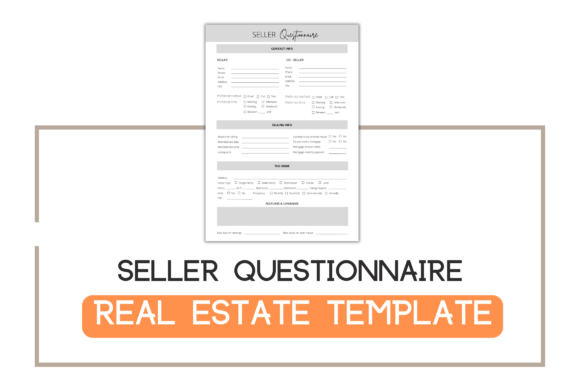
When I first opened the Real Estate Seller Questionnaire design file, my initial reaction was a mix of curiosity and professional skepticism. As someone who has spent years turning digital assets into tangible, stitched masterpieces, I know that not every graphic translates well to thread. This isn't just another generic icon or a simple text overlay; it is a structured layout designed for utility. My goal here is to walk you through how this specific design performs when moved from a screen to a hoop, specifically for those of us building custom apparel, boutique merchandise, or personalized gifts.
The Real Estate Seller Questionnaire carries a distinct mood: organized, professional, and slightly authoritative. In the world of embroidery, where texture and depth are everything, the visual personality of a design dictates its success. This template feels like it belongs in a workspace rather than on a whimsical nursery wall. The layout suggests efficiency, which makes it an interesting candidate for practical items like aprons, tote bags, or even high-end corporate swag. However, before we jump into stitching, we need to understand how this design interacts with fabric.
From Screen to Stitch: Real-World Application
Imagine a scenario where you are preparing a gift package for a new real estate agent or a client launching their own agency. You want something that says "professional" but also "handmade." A standard embroidered logo often feels too cold, while a cute cartoon might feel too casual. Enter the Real Estate Seller Questionnaire as a central motif on a heavy-duty canvas tote bag. The concept is to use the checklist aesthetic as a decorative border or a central focal point, implying that the owner is ready for business.
In this context, the design acts as a conversation starter. When a client receives a custom sweatshirt or a kitchen towel featuring this pattern, the message is clear: they are organized and prepared. For Etsy sellers and small shop owners, this offers a unique niche. Instead of competing with generic "Agent" patches, you are offering a product that resonates with the daily reality of the profession. The design fits perfectly into the category of commercial embroidery because it adds value to a service-oriented industry. It transforms a simple piece of clothing into a branded asset that reinforces the wearer's identity.
Navigating Fabric Challenges
However, putting Real Estate Seller Questionnaire onto fabric requires careful consideration of material properties. Not all fabrics are created equal, and some will fight against the intricate details of this design. If you plan to stitch this onto a thin cotton tee or a stretchy jersey blend, you risk distortion. The lines of a questionnaire are inherently straight and rigid; if the fabric stretches during the hooping process, the entire composition can warp, making the text look uneven and unprofessional.
For best results, I recommend sticking to stable, medium-to-heavy weight fabrics. Think denim jackets, thick canvas totes, or structured caps. These materials provide the necessary tension to hold the stitches flat. Conversely, textured fabrics like bouclé or heavily napped fleece should be approached with caution. While the texture adds warmth, it can obscure fine details. If your design includes tiny lettering or delicate checkmarks, a rough fabric surface might make them difficult to read once finished. Always test on a scrap piece first to ensure the stitch density sits properly on the surface without puckering.
Technical Execution and Design Integrity
One of the most critical aspects of reviewing any embroidery file is analyzing how the different stitch types interact. Designs that mimic documents often rely heavily on running stitch for lines and satin stitch for borders or headers. With the Real Estate Seller Questionnaire, the balance between these elements determines the final look. If the fill areas are too dense, the fabric may become stiff, which is undesirable for items like baby clothes or soft loungewear. On the other hand, if the density is too low, the background might show through, ruining the crispness of the "checklist" effect.
I also had to consider the thread colors. A monochromatic scheme works well for a minimalist look, but a multi-color version needs to be handled carefully. Too many color changes can increase production time and cost, potentially making the final product less appealing to budget-conscious buyers. For a commercial project, simplicity often wins. A single dark thread on a light fabric, or vice versa, creates a bold contrast that mimics the ink-on-paper look of a physical document. This high contrast ensures that the text remains legible even after multiple washes.
Where to Use (and Where to Avoid)
This design shines brightest on products that emphasize organization and preparation. A set of embroidered aprons for a home staging company could feature the Real Estate Seller Questionnaire as a subtle chest pocket detail. Similarly, a holiday gift for a colleague moving houses could include a pillow cover with this motif, celebrating their new chapter. For crafters looking to expand their Etsy listings, creating a bundle of matching tags, patches, and tote bags using this theme can create a cohesive brand identity.
However, there are limitations. Avoid placing this design on curved surfaces like baseball caps unless the digitization is exceptionally skilled. The perspective shift on a cap brim can make straight lines look crooked, which defeats the purpose of a "questionnaire" that implies order. Also, steer clear of very small hoop sizes. If the design includes detailed text or small icons, shrinking it down to fit a 4x4 hoop might result in lost details that are impossible to see with the naked eye. In such cases, it is better to simplify the design or focus on the larger graphical elements.
Professional Notes for the Maker
Before you commit to a full production run, remember that digital files are only as good as their execution. Always review the stabilizer requirements. Because this design likely contains both long lines and potential text blocks, a cut-away stabilizer is usually safer than a tear-away to prevent shifting. If you are working with a digital embroidery file that is editable in Canva, ensure you have converted the vector graphics into a machine-readable format that preserves the line weights accurately.
Another crucial step is testing the design in black and white mockups. This helps you visualize the negative space and ensures that the text is readable without relying on color to carry the design. If you are selling finished items, confirm your licensing terms regarding the Real Estate Seller Questionnaire. Some templates allow for personal use but restrict commercial sales of the finished goods. Understanding these boundaries protects your craft business from legal issues.
Finally, think about the customer experience. A handmade product featuring this design should feel premium. The stitching should be tight, the edges clean, and the fabric choice high-quality. When a buyer sees a well-executed embroidered patch or a tote bag design that looks like a printed document, it signals attention to detail. It builds trust and elevates the perceived value of your work. Whether you are creating a personalized gift for a friend or stocking shelves for a boutique, the Real Estate Seller Questionnaire offers a unique blend of utility and style that stands out in a crowded market.
In conclusion, this design is more than just a graphic; it is a tool for branding and storytelling. By understanding its strengths and respecting its technical constraints, you can transform a simple checklist into a memorable piece of wearable art. Take your time, test thoroughly, and let the precision of the design guide your creative process.