Introduction Letter Review: A Designer's Take on Real-World Embroidery
As someone who has spent years stitching custom pieces for clients and running a small handmade shop, I know that the difference between a project that feels professional and one that looks amateurish often comes down to the design file itself. Today, I am putting Introduction Letter through its paces to see if it truly belongs in your digital library or if it is just another generic asset gathering dust. This isn't about marketing fluff; it is about practical judgment based on real-world application.
The First Impression of Introduction Letter
When you first open Introduction Letter, the mood it sets is immediately clear: welcoming, organized, and distinctly human. Unlike many designs that scream "corporate" or feel overly rigid, this piece carries a warmth that suggests connection. It feels like the kind of embroidery you would find stitched onto a high-end tote bag at a boutique or the front pocket of a well-worn apron in a cozy kitchen. The layout balances visual personality with clarity, making it an ideal candidate for projects where personal branding matters.
From a designer's perspective, the shape and theme work together to create a sense of approachability. It does not rely on excessive detail that might get lost in the stitching process. Instead, it focuses on strong lines and readable forms, which is crucial when translating a digital graphic into physical thread. Whether you are creating a handmade product for a local craft fair or a custom apparel item for a client, Introduction Letter brings a level of sophistication that elevates the perceived value of the finished piece.
Real-Life Scenarios: Where Does It Shine?
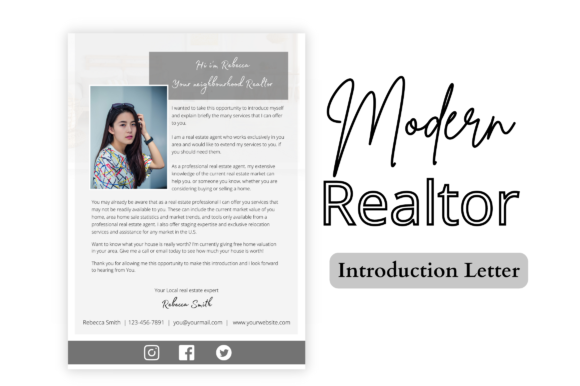
I recently tested this concept by imagining a specific workflow for a busy realtor client. They needed a way to introduce themselves professionally without spending hours designing from scratch. The prompt mentions that Introduction Letter is ideal for saving time, allowing users to drag, drop, edit, and print. In a real embroidery context, this flexibility is gold.
Imagine you are preparing a set of embroidered patches for a team of agents. You can easily adjust the thread colors to match their brand guidelines using the editable features. You might resize the design to fit a standard cap brim or scale it up for a large tote bag used during open houses. The ability to modify elements and background colors means you aren't stuck with a static image; you have a dynamic tool that adapts to the fabric texture and the intended use.
This versatility makes Introduction Letter perfect for various embroidery projects. It works beautifully as a tote bag design for a coffee shop owner, a sweatshirt embroidery piece for a holiday gift, or even a delicate baby embroidery accent on a onesie. The clean aesthetic ensures that whether it is a holiday embroidery gift or a commercial embroidery order for a corporate event, the result remains legible and polished.
Where to Exercise Caution
However, no single design is a magic bullet for every situation. As an experienced reviewer, I must point out where Introduction Letter requires careful handling. If you are working with a small hoop size or attempting to stitch this onto a curved surface like a fitted cap, you need to be mindful of the letter spacing and density. While the design is generally robust, extremely small details might blur if the stitch density is too high for the fabric type.
Texture plays a significant role in how this design translates. On a thick, textured fleece, the edges of the letters might soften more than on a smooth cotton twill. Similarly, if you are working with dark fabric, the contrast of the thread colors becomes critical. A light-colored fill stitch might struggle to cover a black background without multiple passes, which could lead to puckering if not stabilized correctly.
Furthermore, while Introduction Letter is excellent for general use, it may not be the best choice for items that require frequent, heavy-duty washing, such as industrial work uniforms. For these applications, simpler geometric patterns often hold up better over time. Always consider the lifespan of the garment before committing to a complex design file.
Impact on Visual Appeal and Brand Trust
The quality of your machine embroidery design directly influences customer trust. When a buyer receives a personalized gift or a branded item, they judge the craftsmanship by the clarity of the stitches. Introduction Letter offers a crisp, modern look that signals professionalism. It helps establish brand consistency across different products, from a kitchen towel to a wedding gift pillow cover.
In the competitive world of Etsy sellers and craft business owners, presentation is everything. Using a design like Introduction Letter allows you to create cohesive design assets that make your shop look established and reliable. It transforms a simple embroidered patch into a statement piece. The visual appeal of the final product drives engagement, encouraging buyers to return for more personalized gifts or to recommend your services to others.
Practical Notes for the Embroidery Designer
Before you load this file into your machine, there are several technical steps you should take to ensure success. First and foremost, always test the design on scrap fabric. This allows you to check the stitch density and see how the threads interact with the material without risking your final product.
- Check Thread Contrast: Ensure the chosen colors pop against your fabric. A low-contrast combination can make the text disappear entirely.
- Review Stabilizer Usage: Depending on the fabric weight, you may need cut-away or tear-away stabilizer to prevent the design from shifting or distorting.
- Hoop Size Matters: Confirm that your hoop size accommodates the full width of the design without cutting off any essential elements.
- Inspect Small Details: Zoom in on the digital file to ensure there are no tiny gaps that could cause thread breaks during stitching.
- Mockup Testing: Create both color and black-and-white mockups to visualize how the design will look under different lighting conditions.
It is also vital to review the licensing terms provided with the digital embroidery file. While Introduction Letter is marketed as a template for busy professionals, you must confirm whether you are allowed to sell finished items created with this design or if it is restricted to personal use only. Checking these details upfront prevents legal headaches later.
Final Thoughts on Design Assets
In the end, Introduction Letter stands out as a versatile and thoughtful addition to any collection of graphics and print templates. Its strength lies in its adaptability and the professional finish it lends to various embroidery files. Whether you are a seasoned apparel decorator or a hobbyist looking to create a unique gift, this design provides a solid foundation for your creativity.
By understanding its strengths and limitations, you can confidently integrate it into your workflow. It saves time, enhances visual appeal, and helps you deliver a finished product that your customers will love. Just remember to do your due diligence with testing and stabilization, and you will find that Introduction Letter is more than just a template—it is a tool for building your creative reputation.